Anselmo Bucci
The Age of the Twentieth Century between Italy and Europe
The most comprehensive exhibition ever dedicated to Anselmo Bucci (1887–1955), one of the most complex, cultured, and independent figures of the 20th century
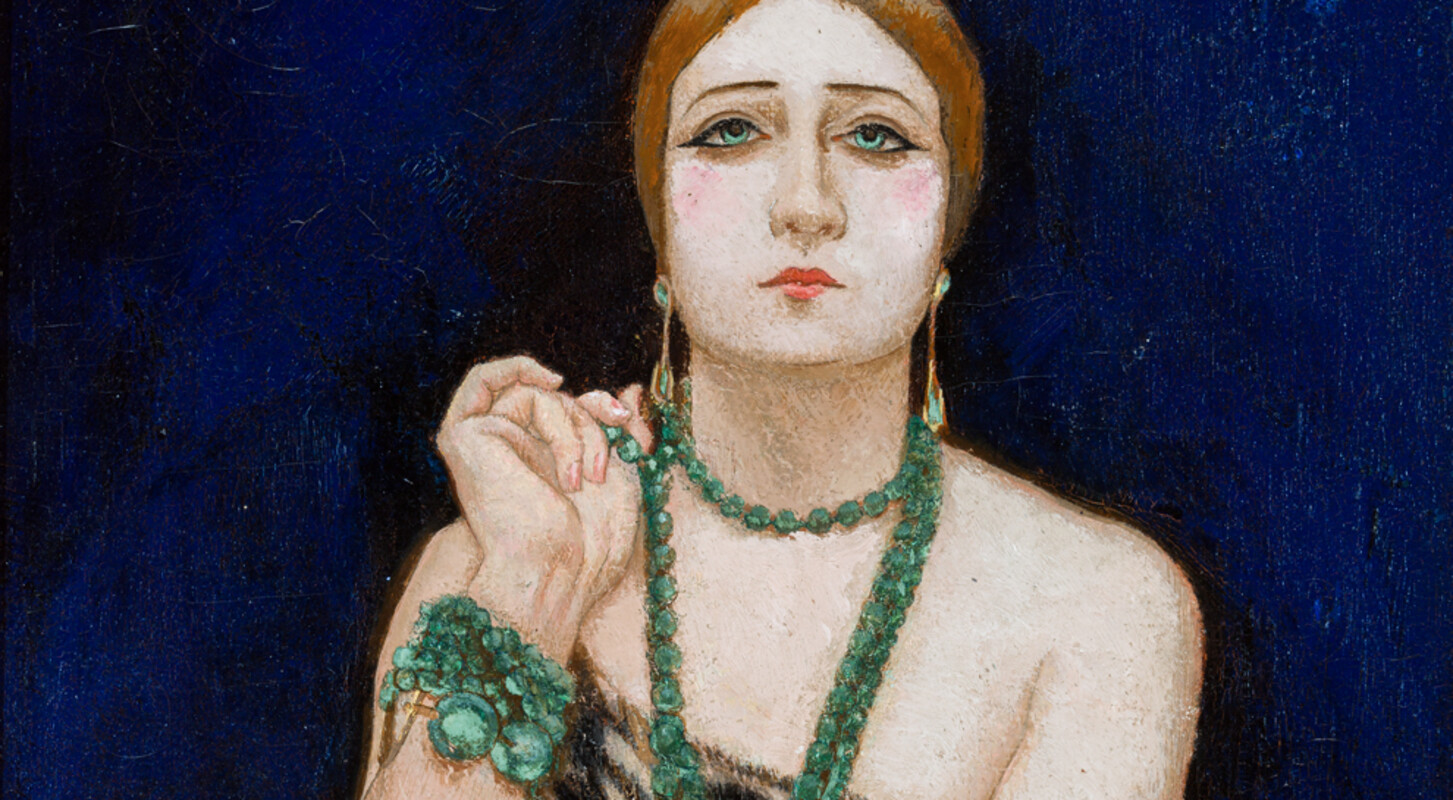
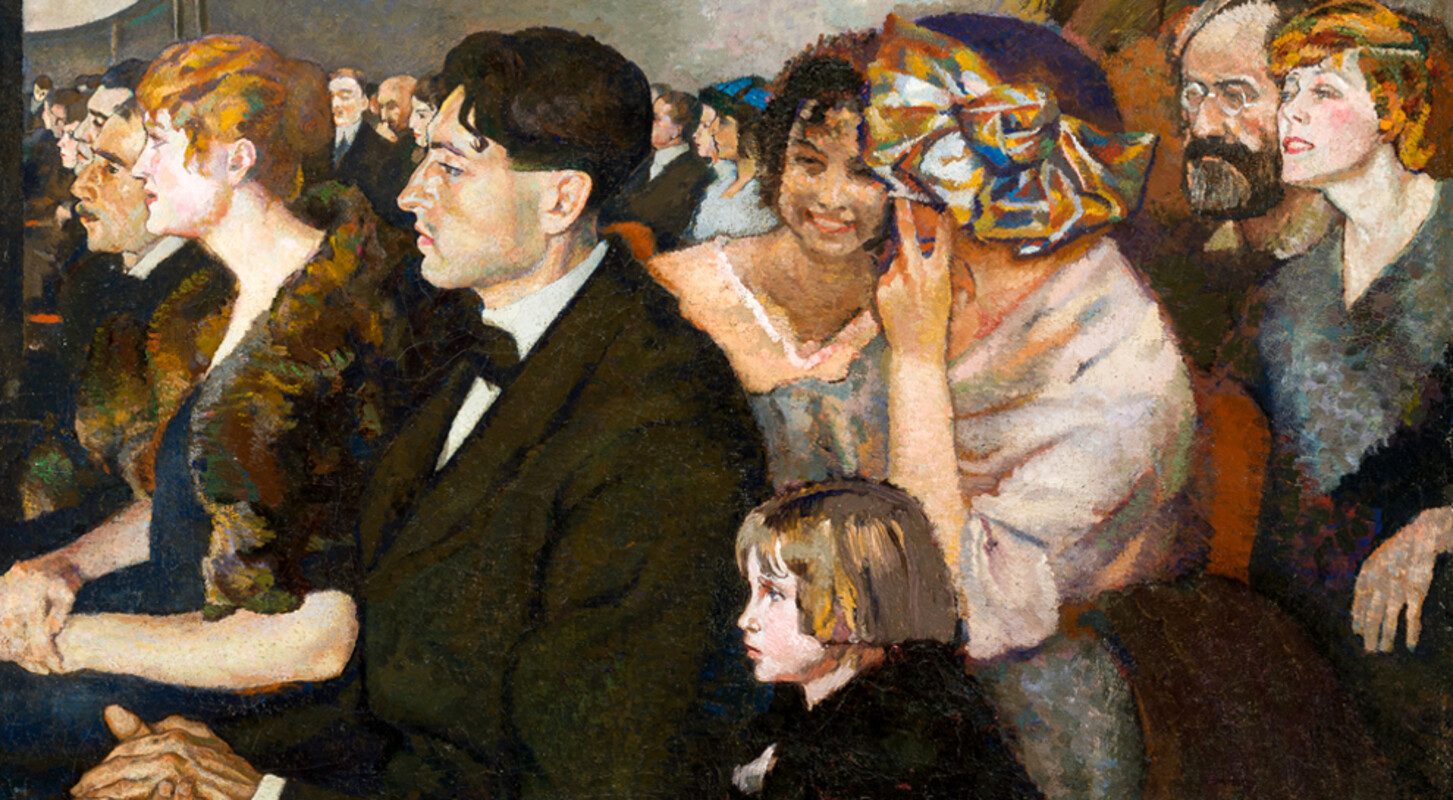
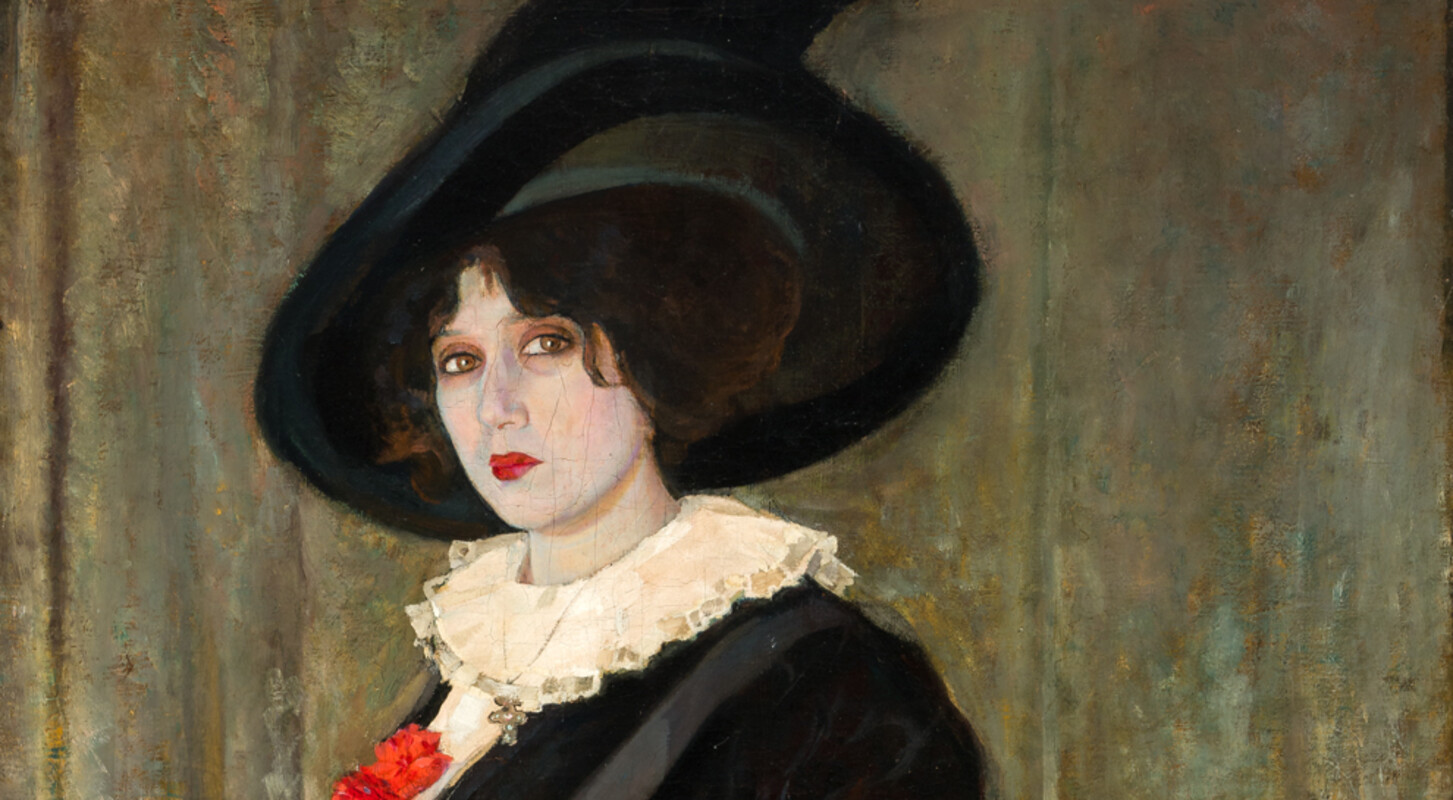
The exhibition brings together paintings, prints, drawings, and photographs for a total of over 150 works, many of which have never been shown before.
Long considered marginal compared to the major names of early 20th-century Italian art, Bucci’s work is finally repositioned within its historical and cultural context, distinctly European in scope. A painter, printmaker, draftsman, and writer, Bucci occupies a unique place in the artistic landscape of his time: a key figure in the cultural life between Paris and Milan, he maintained a strong intellectual independence, reflected in his ambiguous relationship with the Novecento Italiano group, which he founded and named, before eventually distancing himself from it.
His art moves across languages, techniques, and genres with rare freedom, maintaining an internal coherence rooted in a deep figurative culture and a strong literary sensibility, nourished both by direct experience of urban modernity and by that of the Great War, which he lived through on the front line as a war artist.
The exhibition includes loans from major private and public collections, including the Quadreria Cesarini – Casa Museo in Fossombrone, the Civic Museums of Monza, the Museo del Novecento in Milan, the National Gallery of Modern and Contemporary Art in Rome, and the Central Institute for the History of the Italian Risorgimento.
Curated by Beatrice Avanzi and Luca Baroni.